Ecuador in five days from Quito
Complete tours with adventure, hiking, lagoons, Amazon rainforest, local culture, rafting, canyoning, and unique experiences.


GEOTOURS, founded in Baños in 1991, is an organization that was specifically designed for extreme sports and outdoor activities.
Ambato y Halflants - Baños de Agua Santa - Ecuador
+593995433293
sales@geotoursbanios.com

If you're planning to visit Ecuador and don't speak Spanish, don't worry! Although English is spoken in main tourist areas, knowing some basic Spanish phrases will completely transform your experience. Ecuadorians are incredibly friendly and greatly appreciate when visitors make the effort to speak their language.
Why Learn Basic Spanish for Ecuador?
Ecuador is a country where Spanish is not just useful, it's practically essential once you leave the most popular tourist circuits. Here's why:
Ecuadorian Spanish: Unique Characteristics
Before starting with phrases, it's important to understand that Ecuadorian Spanish has its particularities:
Clearer Pronunciation
Spanish from Ecuador, especially in the highlands (Quito, Cuenca, Riobamba), is considered one of the clearest and easiest to understand in Latin America. Ecuadorians:
Use of "vos" and "tú"
On the Ecuadorian coast (Guayaquil, Montañita) you'll hear "vos" instead of "tú", but don't be confused, both mean "you" informal. In the highlands "tú" predominates.
Constant Diminutives
Ecuadorians LOVE diminutives. You'll constantly hear:
Unique Ecuadorian Words
Essential Survival Phrases
Greetings and Basic Courtesy
Buenos días = Good morning (Used until approximately noon)
Buenas tardes = Good afternoon (From noon until it gets dark, around 6 pm)
Buenas noches = Good evening/Good night (After 6 pm)
Hola = Hi/Hello (Informal, any time)
¿Cómo está? / ¿Cómo estás? = How are you? (formal/informal) Common responses:
Mucho gusto = Nice to meet you
Por favor = Please (Use it ALWAYS, Ecuadorians are very polite)
Gracias = Thank you Muchas gracias = Thank you very much De nada = You're welcome
Disculpe / Disculpa = Excuse me (formal/informal) Perdón = Sorry
Con permiso = Excuse me (when passing by someone)
Que tenga buen día = Have a nice day
Hasta luego = See you later Chao = Bye (informal)
Emergency Phrases
¡Ayuda! = Help!
¡Socorro! = Help! (emergency)
Necesito un médico = I need a doctor
Necesito ir al hospital = I need to go to the hospital
¿Dónde está la policía? = Where is the police?
Me siento mal = I feel sick
Tengo dolor de... = I have pain in...
Soy alérgico/a a... = I'm allergic to...
No puedo respirar = I can't breathe
Me robaron = I was robbed
Perdí mi pasaporte = I lost my passport
¿Hay alguien que hable inglés? = Is there anyone who speaks English?
Llame a la embajada = Call the embassy
Transportation
¿Cuánto cuesta el pasaje a...? = How much is the fare to...?
¿Dónde tomo el bus a...? = Where do I catch the bus to...?
¿Me puede llevar a...? = Can you take me to...?
¿Cuánto cuesta el taxi? = How much is the taxi?
¿Tiene taxímetro? = Do you have a meter?
Pare aquí, por favor = Stop here, please
Espéreme un momento = Wait for me a moment
¿A qué hora sale? = What time does it leave?
¿A qué hora llega? = What time does it arrive?
¿Está lejos? = Is it far?
¿Está cerca? = Is it close?
A la izquierda = To the left A la derecha = To the right Derecho/Recto = Straight ahead
En la esquina = At the corner
Al final de la calle = At the end of the street
At the Restaurant
La carta, por favor = The menu, please
¿Qué me recomienda? = What do you recommend?
Quiero... = I want... Quisiera... = I would like... (more formal)
Para tomar = To drink
Un vaso de agua, por favor = A glass of water, please
Agua sin gas / con gas = Still water / Sparkling water
La cuenta, por favor = The check, please
¿Está incluido el servicio? = Is the service included?
Está delicioso = It's delicious
¿Tiene opciones vegetarianas? = Do you have vegetarian options?
Sin carne = Without meat
Sin picante = Not spicy
No como... = I don't eat...
¿Cuánto demora? = How long will it take?
Phrases for Typical Ecuadorian Food
Quiero probar el ceviche = I want to try the ceviche
¿Qué lleva este plato? = What does this dish have?
Un encebollado, por favor = A fish soup (hangover cure), please
Caldo de gallina = Chicken soup
Fritada = Fried pork
Hornado = Roasted pork
Llapingachos = Potato patties
Empanadas de viento = Cheese empanadas
Bolón de verde = Green plantain ball
Un jugo de... = A juice of...
At the Hotel/Hostel
Tengo una reserva = I have a reservation
Quisiera una habitación para... = I would like a room for...
¿Cuánto cuesta por noche? = How much per night?
¿Incluye desayuno? = Does it include breakfast?
¿Tiene WiFi? = Do you have WiFi?
¿Cuál es la contraseña? = What's the password?
¿A qué hora es el check-out? = What time is check-out?
¿Puede guardar mi equipaje? = Can you store my luggage?
Hay un problema con... = There's a problem with...
¿Me puede despertar a las...? = Can you wake me at...?
Phrases for Specific Situations in Ecuador
In Baños de Agua Santa
¿Dónde puedo alquilar una bicicleta? = Where can I rent a bicycle?
Quiero hacer canopy = I want to do ziplining
¿Cuánto cuesta el bungee jumping? = How much is bungee jumping?
¿Cómo llego a la Casa del Árbol? = How do I get to the Tree House?
¿Está activo el volcán Tungurahua? = Is Tungurahua volcano active?
Quiero visitar las cascadas = I want to visit the waterfalls
¿Hay agua termal? = Is there hot spring water?
Simplified Basic Grammar
Personal Pronouns
Formal vs Informal
Ecuador is relatively formal in interactions. Use "usted" with:
Use "tú" with:
Basic Verbs in Present Tense
Ser/Estar (To be)
Tener (To have)
Querer (To want)
Ir (To go)
Hacer (To do/make)
Forming Questions
The simplest way:
Example:
With question words:
Ecuadorian Cultural Expressions
Idioms You'll Hear
"¡Qué chévere!" = How cool!/Awesome!
"Ahorita nomás" = Right now (but can mean "in a bit")
"De ley" = For sure/Definitely
"¡Qué bacán!" = How great!
"No hay problema" = No problem (you'll hear this ALL the time)
"Ya vengo" = I'll be right back
"¿Cachas?" = Do you understand? (informal, especially in Quito)
"Estoy en la olla" = I'm broke/in trouble
"Me da el bajón" = It bums me out
"¡Achachay!" = It's cold! (expression of cold)
"¡Atatay!" = Ouch!/It's hot!
Terms of Endearment
Ecuadorians are very affectionate and warm:
"Mi amor" = My love (used even with strangers in service contexts)
"Mi vida" = My life (term of endearment)
"Lindo/a" = Beautiful (used as a term of endearment)
"Corazón" = Heart (affectionate term)
Don't be surprised if a waitress says "¿Qué va a tomar, mi amor?" It's completely normal!
Useful Apps and Resources
Translation Apps
Phrase Cards
Consider carrying:
Practice Partners
Common Mistakes to Avoid
1. "Yo quiero" vs "Quisiera"
2. Forgetting "Por favor"
Ecuadorians are VERY polite. Always use "por favor" and "gracias".
3. Confusing "Estoy" and "Soy"
4. Not using diminutives
Learn to use them, Ecuadorians love them:
5. Speaking too fast in English
If someone responds in Spanish, speak SLOWLY and CLEARLY if you switch to English.
Final Tips for Success
Attitude is Everything
Practical Immersion
Phrases for When You Don't Understand
No entiendo = I don't understand
¿Puede hablar más despacio, por favor? = Can you speak more slowly, please?
¿Puede repetir? = Can you repeat?
No hablo mucho español = I don't speak much Spanish
Estoy aprendiendo español = I'm learning Spanish
¿Cómo se dice... en español? = How do you say... in Spanish?
¿Qué significa...? = What does... mean?
Practice Before Traveling
Week 1-2: Fundamentals
Week 3-4: Common Situations
Week 5-6: Basic Conversation
During the Trip
Conclusion
Learning basic Spanish for your trip to Ecuador is not only practical, it's a form of respect toward the local culture. Ecuadorians are incredibly friendly and patient people who will greatly value every effort you make to communicate in their language.
Remember: You don't need to be perfect. With these basic phrases, a positive attitude, and a smile, you'll be able to navigate Ecuador with confidence and create genuine connections with the people you meet.
¡Buen viaje y buena suerte! (Have a good trip and good luck!)
Ecuadorians are incredibly friendly and greatly appreciate it when visitors make an effort to speak their language.
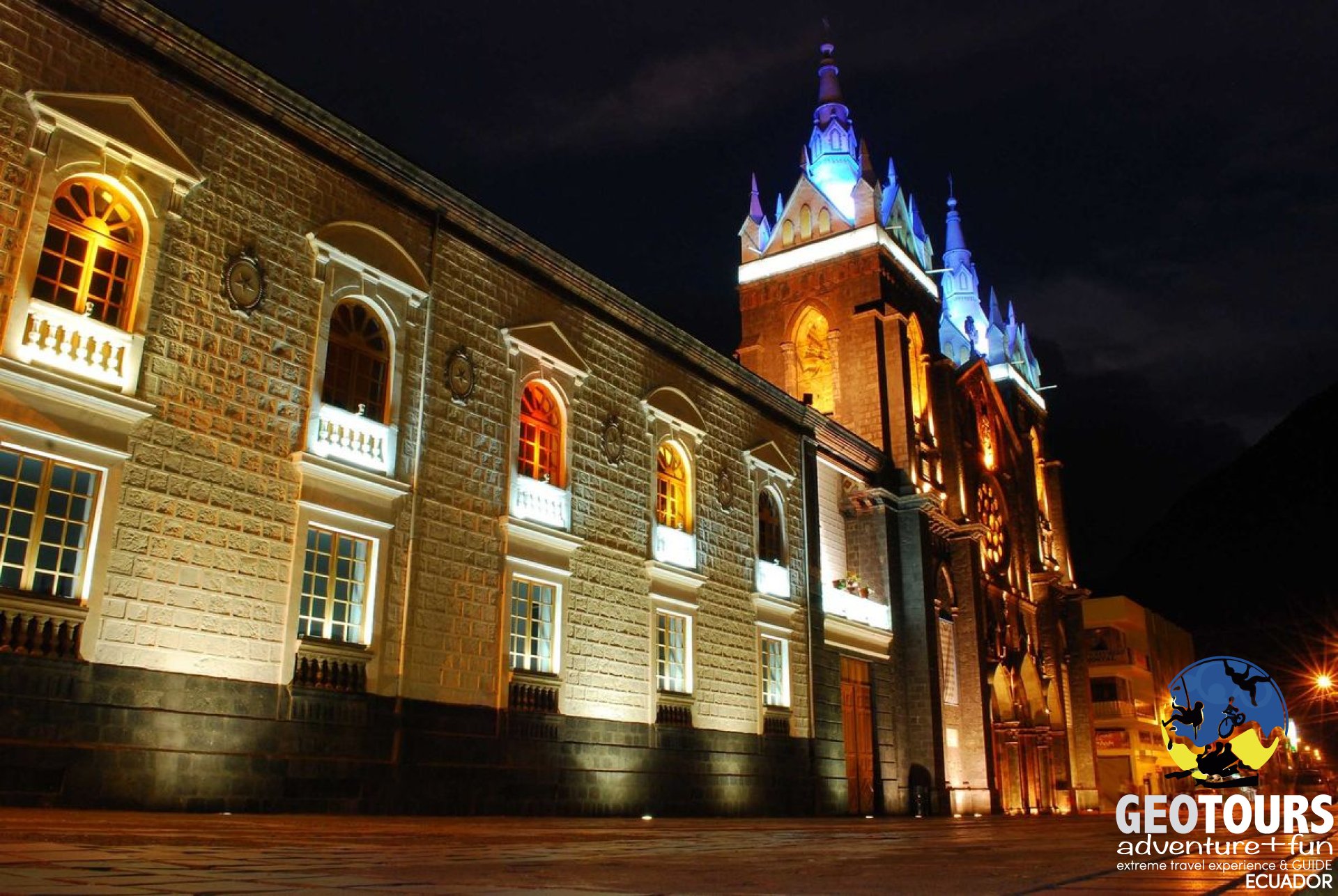
Complete tours with adventure, hiking, lagoons, Amazon rainforest, local culture, rafting, canyoning, and unique experiences.
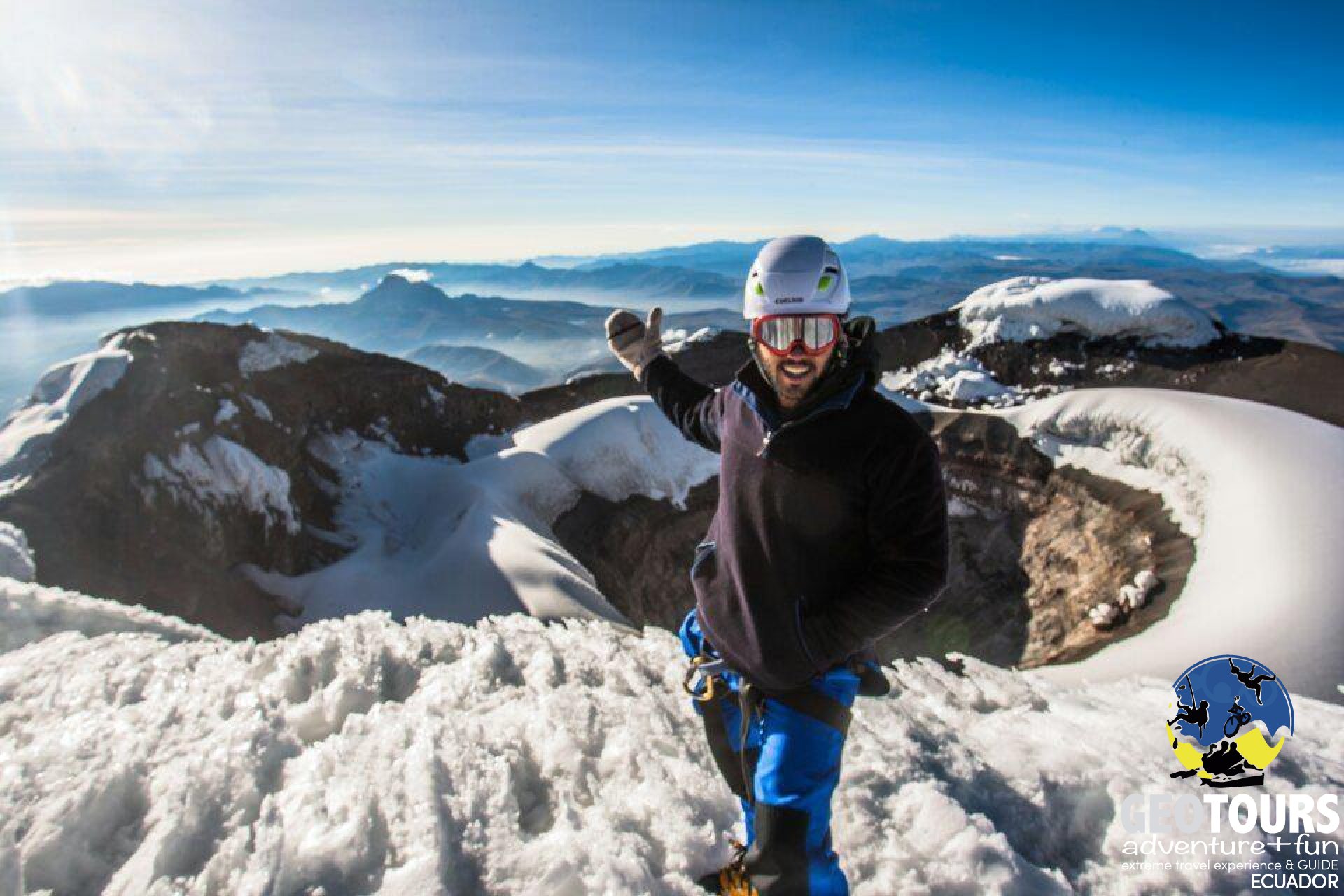
Test your body and mind as you climb glaciers to the summit of Cotopaxi (5,897 m).
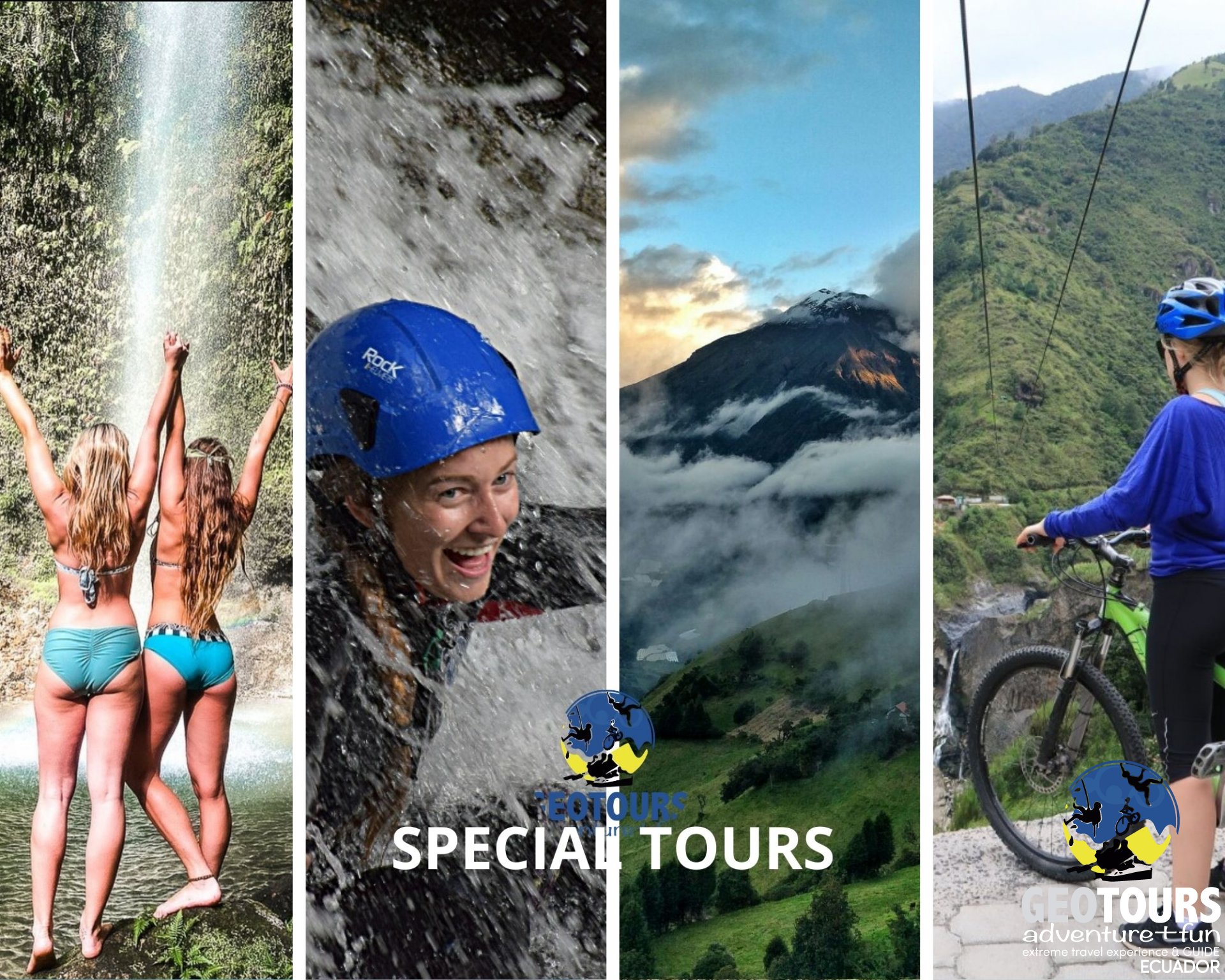
Enjoy a 3-day getaway to Baños de Agua Santa, designed with privacy, safety, and well-being in mind.

Canyoning tour in Chamana has been designed to entertain even the most reckless!

If you're an experienced mountaineer or in top physical shape, this is your challenge: reach 6,263 m on Chimborazo.

The spectacular catamaran netting spanned between both sterns of the hulls is supplemented by an ample
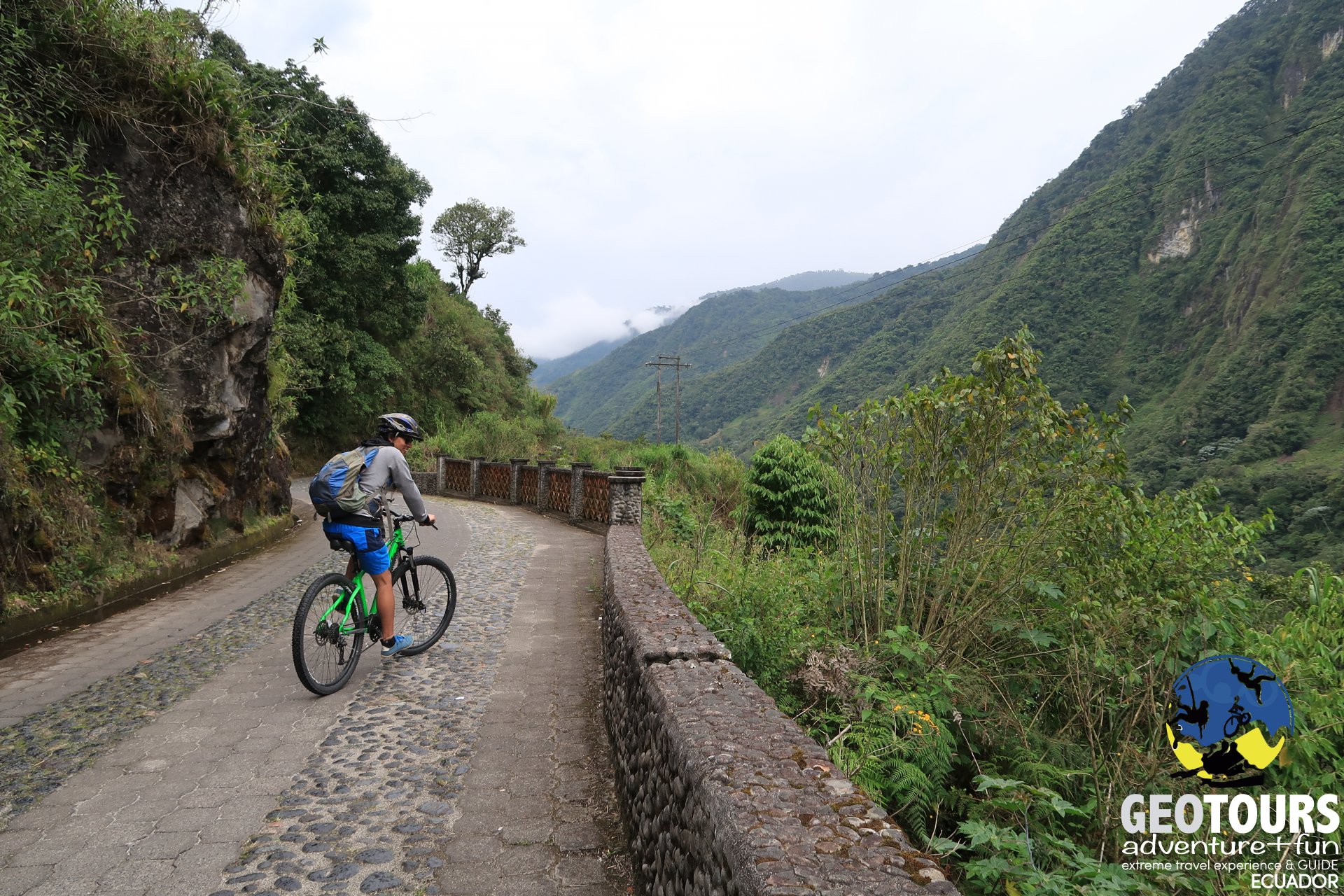
Come and enjoy our tour with a free guide who will show you the different waterfalls in the city.

Discover Baños de Agua Santa in an active, fun, and safe way with this bike tour

You will love our 5-day tour to Yasuní National Park!